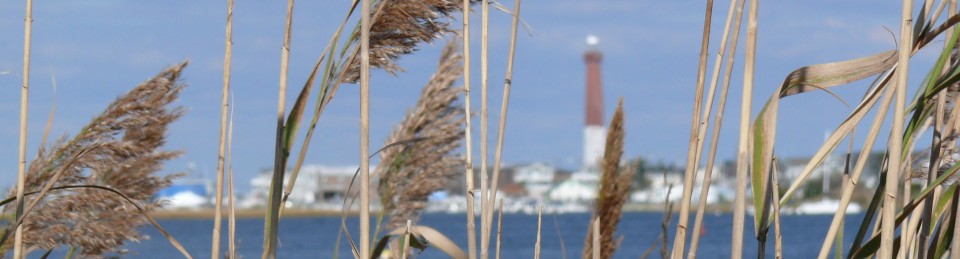

The cute image on this sign was the only seal we saw during our visit
Harbor seals can be elusive critters. We know this because despite recent confirmed sightings we could not find any during our visit to Sandy Hook. Shy pinnipeds notwithstanding, the historic 7-mile beach park with a view of New York City had plenty to offer.
Technically known as a barrier peninsula, Sandy Hook extends along the Atlantic into New York Bay. At its tip is Fort Hancock, a military base active from 1899 to 1974. The fort contains many abandoned, and sadly crumbling, military houses, former mortar batteries and Nike missile sites, and other buildings currently in use by the National Park Service, oceanic studies organizations and schools. The views are beautiful from almost every vantage point, but nowhere more so than from Sandy Hook Lighthouse.

The oldest working lighthouse in the US

The lighthouse exterior is made from crushed ship ballast

View through the trees on a sunny blue-sky day
The beacon was built by NYC stonemason Isaac Conro in 1764 with funds raised from two public lotteries; it is the oldest working lighthouse in the United States. Standing at 103 feet high, it contains a spiral staircase of 95 steps that lead to the top. We visited the combination office and shop next door to sign up for the free guided tour and stock up on tourist maps. The shop was tiny, but still had some cute items–cross stitch kits, plush horseshoe crabs, relevant books and so on. We curbed our spending and wrote our names on the register for the next climb.
Since it was a beautiful day and we had 30 minutes to kill, we sauntered around the grounds for a bit, checking out the one of the mortar battery areas, viewing the military barracks and Officer’s Row, and taking a moment to appreciate some of the pretty trees on the grounds.
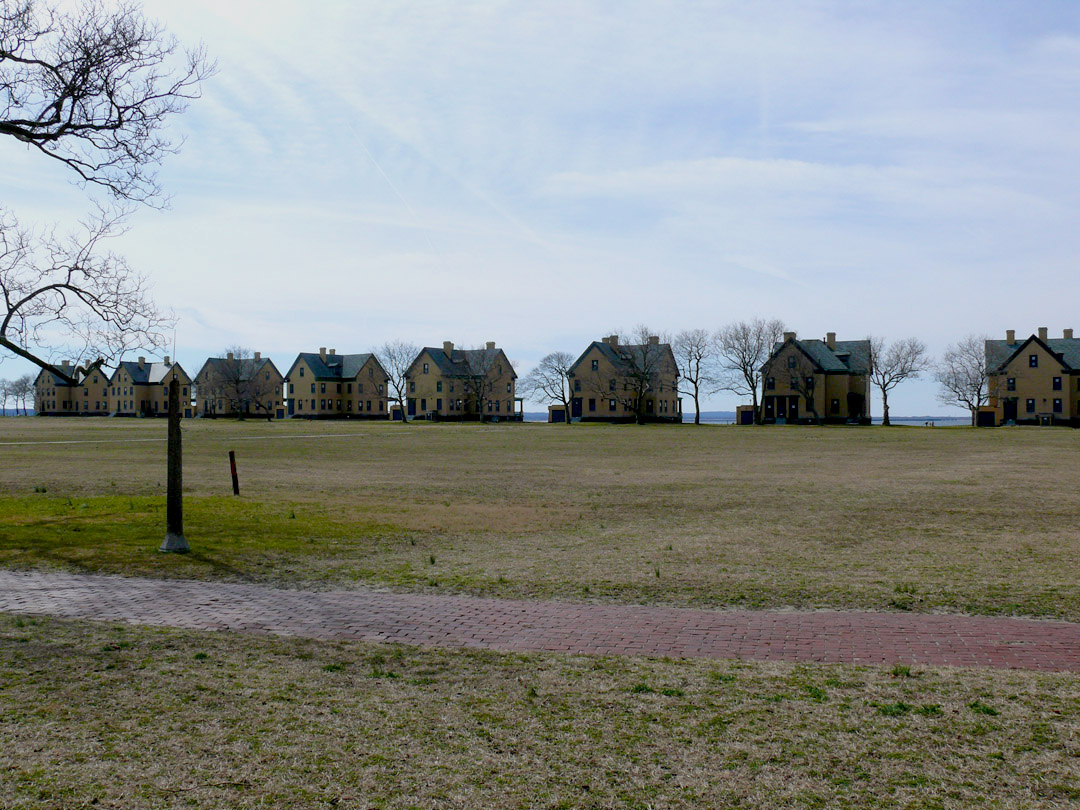
Officers' Row

Entrance to the mortar battery
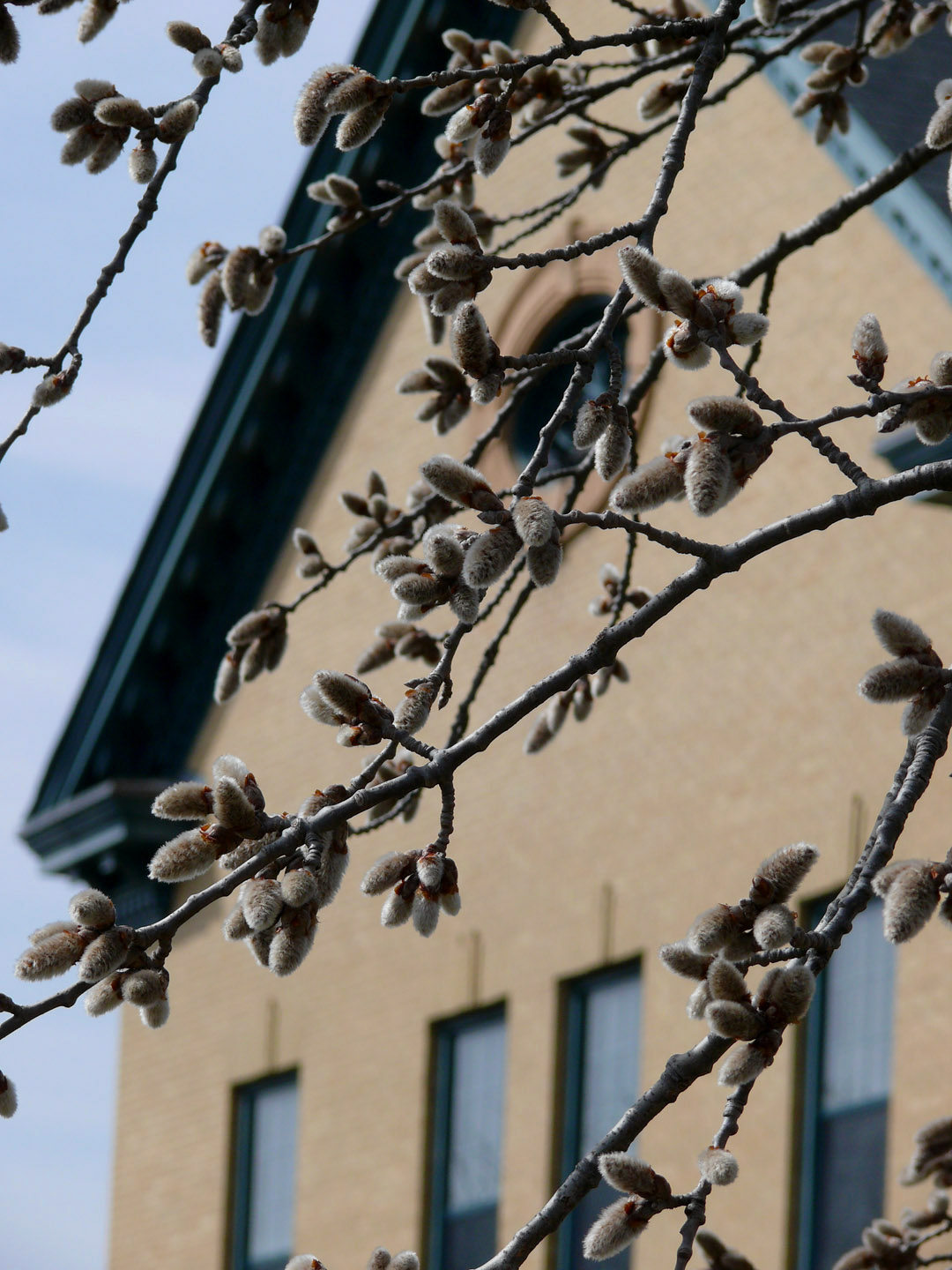
Tree with fuzzy buds in front of the barracks

Disrepair makes for an interesting photo

Hitchcock-like stairs
Back at the lighthouse, we began our ascent (guide name later escaped us), taking up the rear in a group of about 10. With a red brick interior and what looked like windowed sleeping nooks, the lighthouse could double as a tony loft living space. And in fact it was (ok, maybe not so tony), for its keepers over the years, who had to fuel its lamp with whale oil and kerosene before it was automated to electricity in 1965.

Each stair is numbered on the center column
The climb isn’t so bad, with reasonably wide steps, well placed rails and handles, and two brief cardio recovery stops. Once near the top, visitors must navigate up a 10-rung ladder that posed a bit more challenge for some of our cohorts: an older and very out of shape woman took it slow, but made it; a twenty-something Asian woman was unwittingly kicked in the face by her mother. Both survived to see the summit.
Awaiting at the top are a bunch of gargoyles, a massive Fresnel lens that allows the always-on light to be seen 19 miles away, and a spectacular view that includes the coastline, the Verazzano Bridge, Jersey City, Long Island, Manhattan and even one of the rides at Coney Island. Interesting factoid–the lighthouse was originally built about 500 feet from the water, but since that time nature had deposited so much sediment on Sandy Hook that the lighthouse is now almost 1.5 miles inland.

Closeup of the Fresnel lens

Gargoyle atop lighthouse

Outward view: the Verazzano Bridge with unexplained smoke plumes nearby
The 30-minute tour concluded without further ado. We drove out of the fort area, passing a huge old gunnery installment and making a pit-stop at a scenic observation deck (not as impressive as the lighthouse view). Back in the park proper we drove past Gunnison Beach (one of the only nude beaches on the East Coast) and to Parking Area E, which is adjacent to a forest of holly trees, some 150 years old. It was a magical walk.
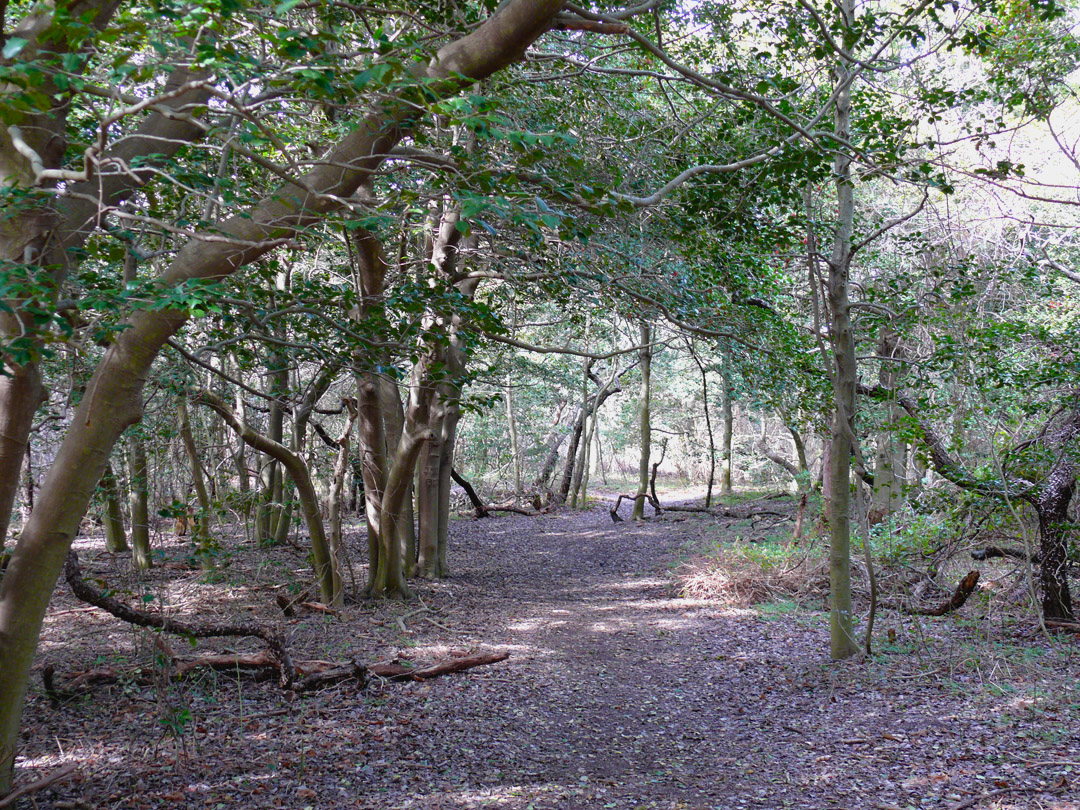
A copse of holly trees was filled with birds
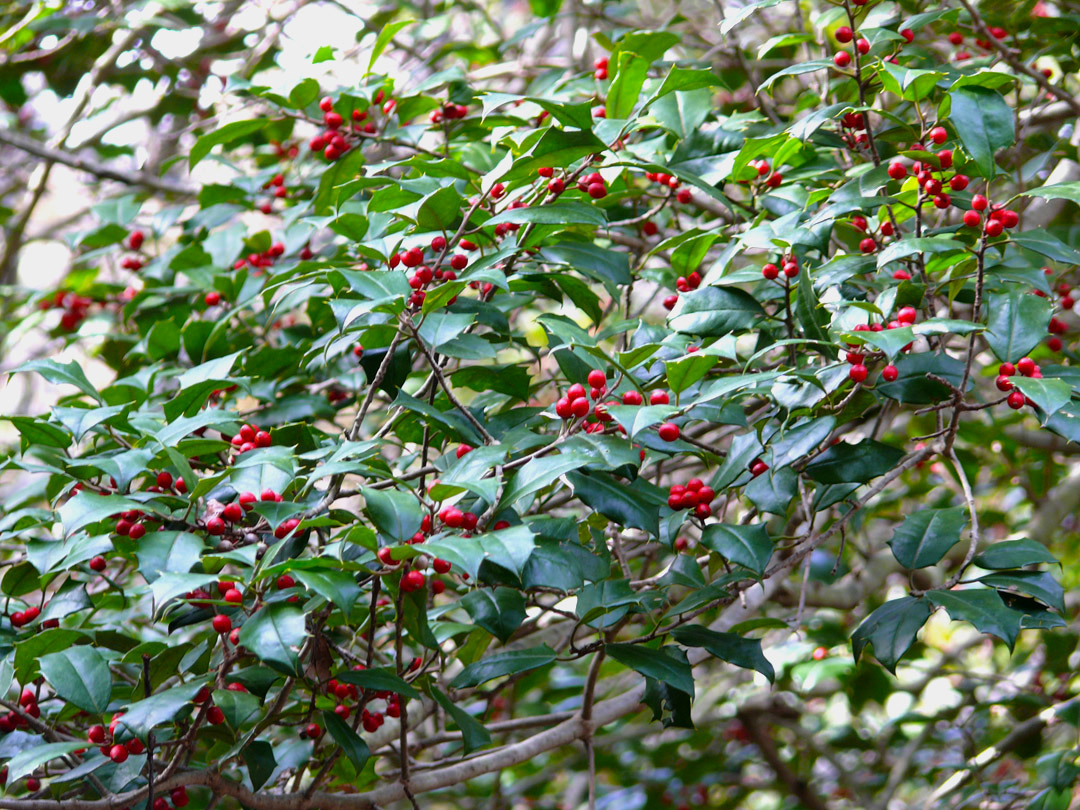
Holly tree closeup

The many holes in the bark of this black cherry tree were drilled by yellow-bellied sapsuckers
We barely touched the trails, but frankly were getting hungry and couldn’t go much further without sustenance. One more stop before chow: Skeleton Hill Island in search of seals. We parked in area C and then walked to the bay/inlet side of the peninsula, in the shadows of the houses of Atlantic Highlands. Not a seal in sight, but we did take a short walk during which time we were squirted by an embedded mollusk and had some adventures with razor clams.
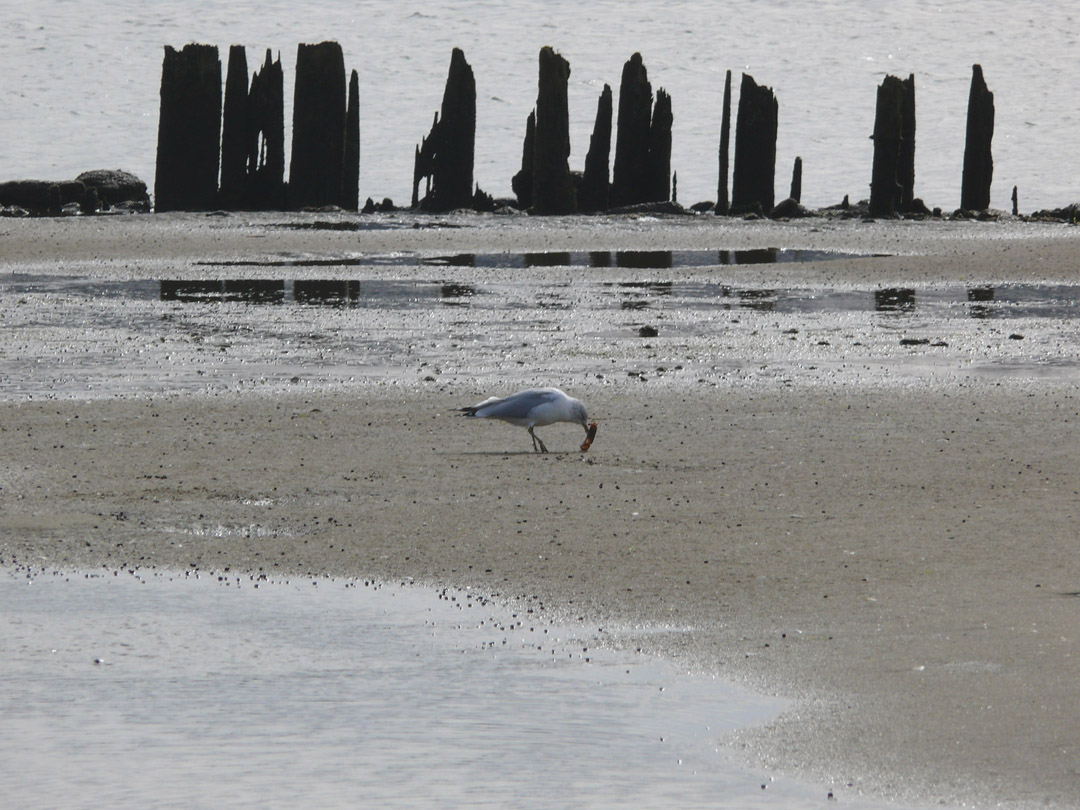
Gull eating a razor clam

Lee Press-On Razor Clam Nails

Gull in flight
Our stomachs then got the best of us, so we departed this wildlife and nature wonderland, past the Twin Lights of Navesink and onward to our lunch destination in Long Branch.
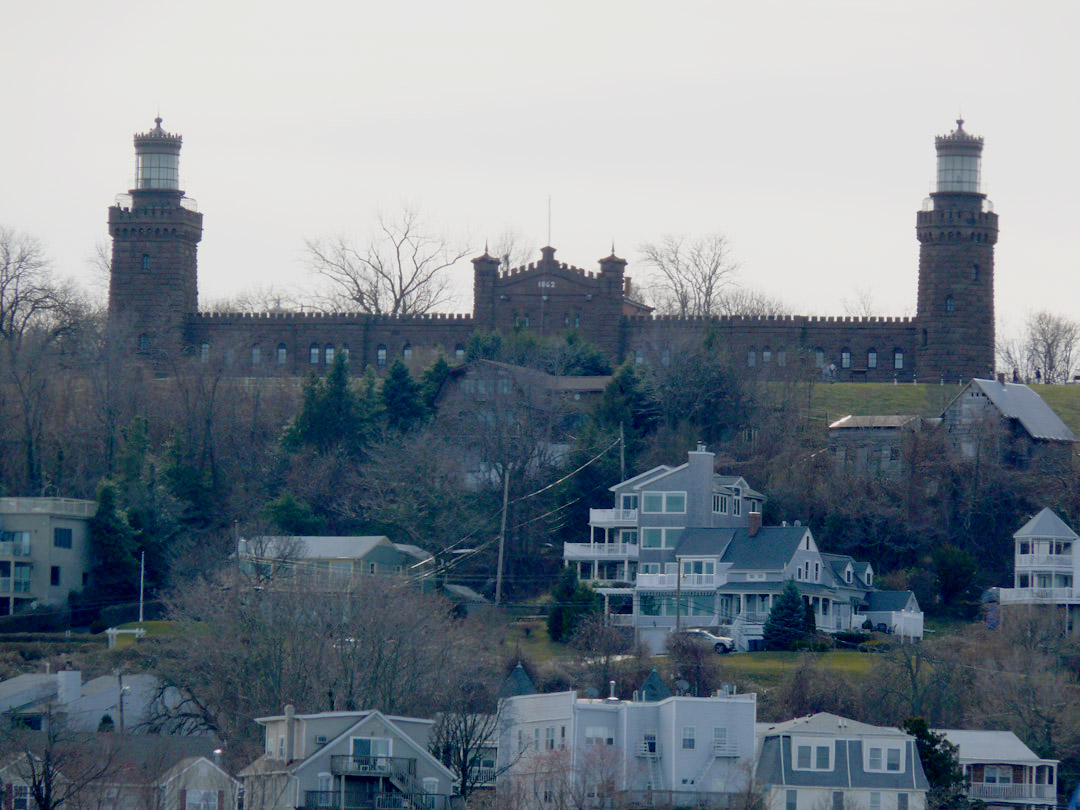
A trip for another day: the Twin Lights of Navesink
 NewJerseyology