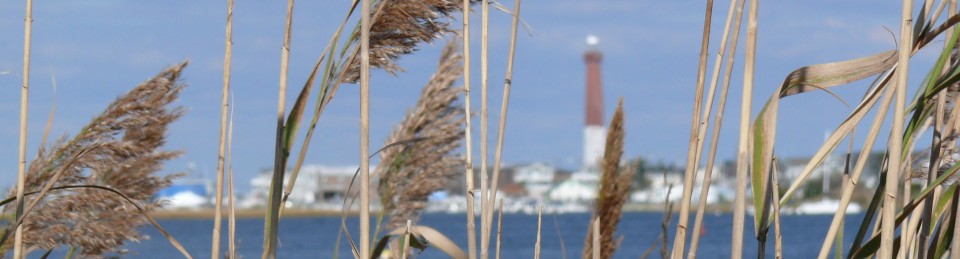
In 1779, Long Island Sound froze so solid that Connecticut yentas could skate to New York City to shop for shoes.

George, wishing for a day off with Elios frozen pizza and bad tv
OK, the part about yentas isn’t really true. But the rest is accurate. Accounts from the Revolutionary War detail the brutal winter, when temperatures of 13 degrees below zero were commonplace in New Jersey, people could walk across the thick ice of New York Harbor, and transportation by horse was impossible due to snow six feet deep. Where was this weather when we were children hoping to get a day off from school? Unfortunately for George Washington and his troops, there was no time for sledding and eating Hot Pockets in front of I Love Lucy reruns. More serious endeavors were at hand, namely fighting the war of independence from England.
Washington set up headquarters in a private home in Morristown and installed his troops five miles away at Jockey Hollow, an expansive park of forest and field, and in modern day, a visitor’s center and world-class pay phone.
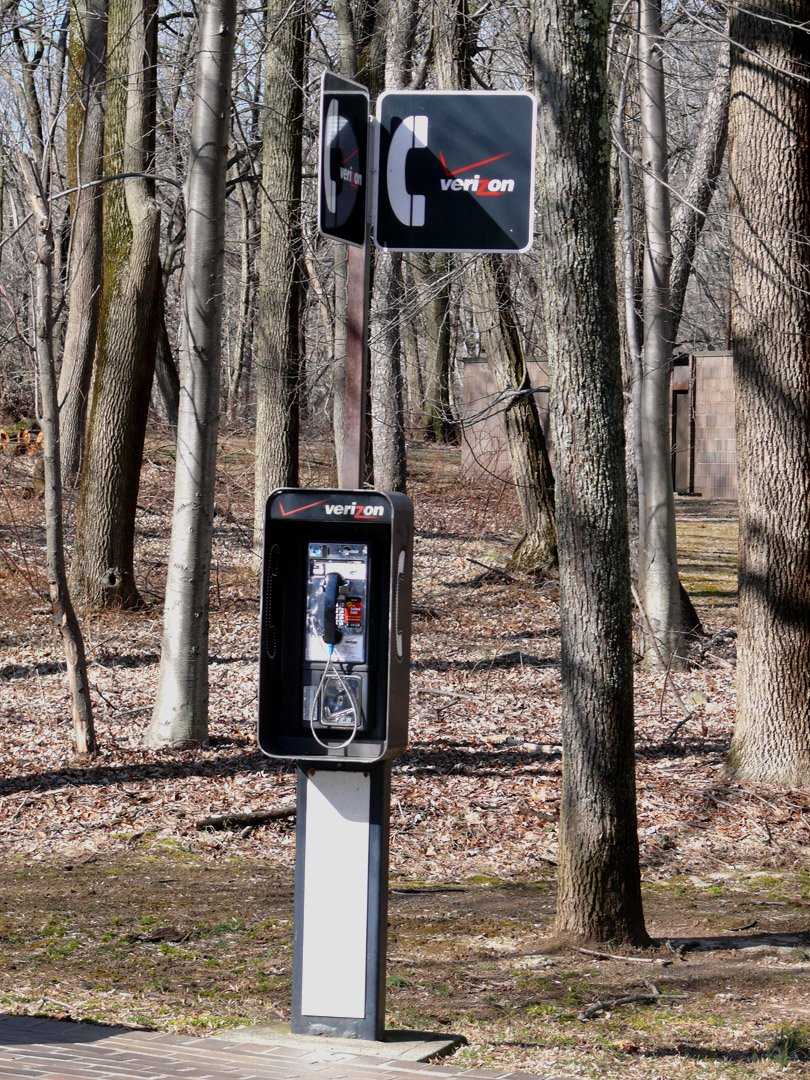
You don't see public blowers like this too often in 2012, never mind 1779
The visitor center store had a cute collection of Revolutionary memorabilia for sale and a jovial attendant who was very knowledgeable about the rest rooms. A short walk up the path behind the building is the Wick House, an idyllic little farm with gardens, orchards and an invitingly puffing chimney.

The Wick House--adorbs!
The property, owned by Captain Henry Wick, was commandeered by the Continental Army in 1779. Major General Arthur St. Clair inhabited the house, while his troops (known as the Pennsylvania Line) summarily denuded 600 of the estate’s 1400 lush acres for food, hut-building and fire-making. The winter was rough, with soldiers reportedly boiling and eating their shoes in famished desperation. Still, we think it must have been lovely in peacetime.
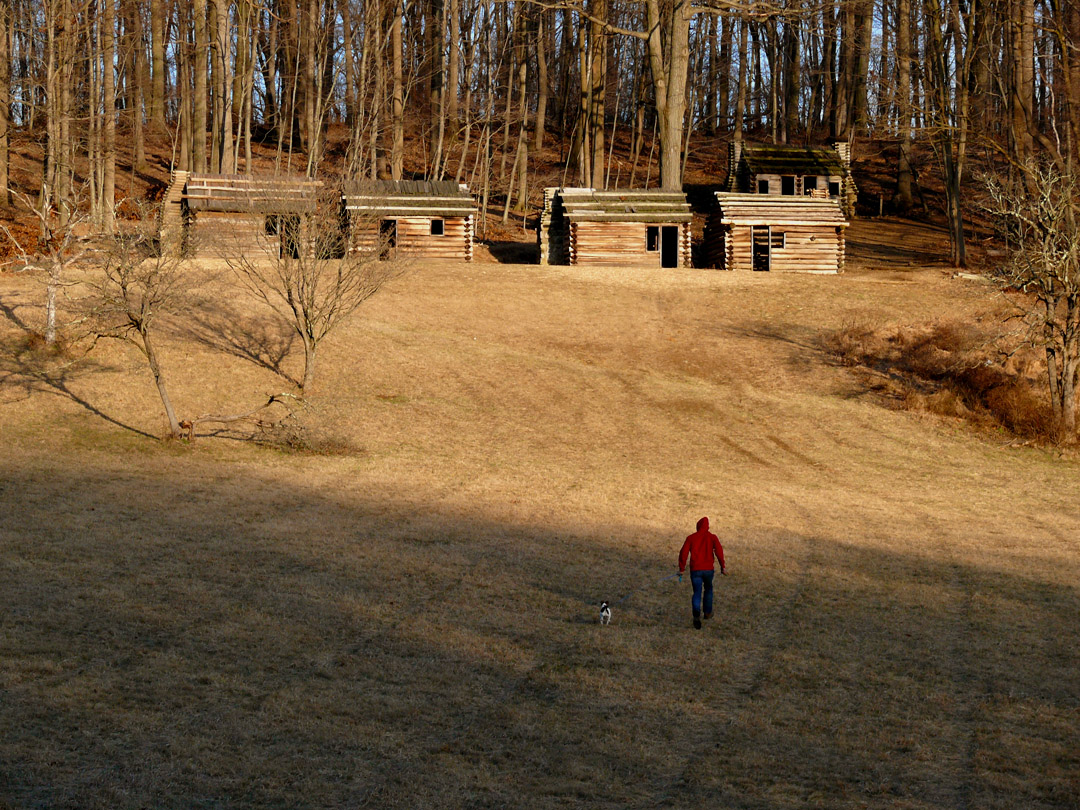
Cole Haan, yum!

Make room for George
Having discovered, however, that we were not at Washington’s Headquarters as we originally thought (no tours here, no sir!) we drove up Rte. 202 to the Ford Mansion, just a few turns off the main square of Morristown. Our strapping first President and his closest aides and servants rented (aka took over) this large Georgian house for seven months, managing the war, cuddling with Martha (who called him “Old Man”), entertaining up to 100 guests at a time, preparing huge meals and generally making a nuisance of themselves to homeowner and widow Theodosia Ford and her four children. The imposing abode, situated directly in front of the Washington Headquarters Museum, is now lovingly maintained as an historic site by the National Park Service.
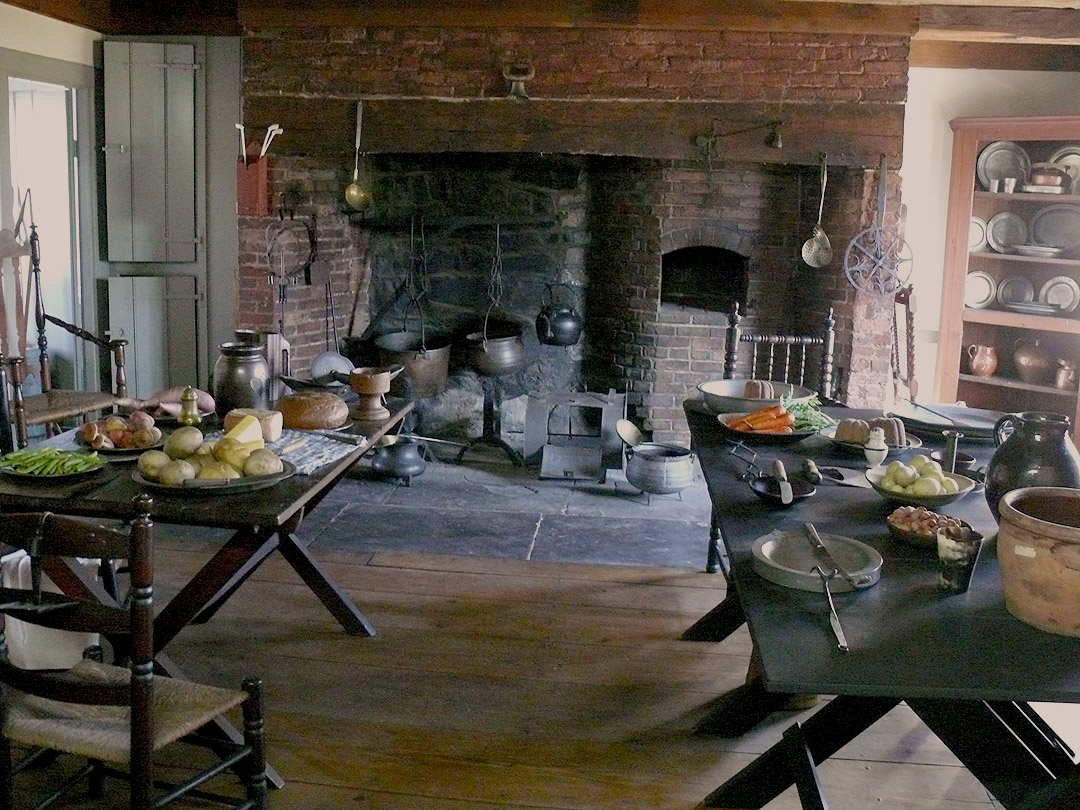
The kitchen looked inviting

Washington Headquarters Museum
We purchased tour tickets ($4 each) and viewed half the museum before our guide, Kevin, arrived. A throwback to Jellystone Park down the the last detail, Kevin tried in vain to corral the garrulous and unruly pair of toddlers who would haunt the remainder of our experience.
Eventually he gave up, provided some background and walked us up to the mansion, the door of which he opened with a comically large key.

Key of a size befitting our first Prez
Inside was a trove of Washington and time period artifacts—writing desks, kitchen accoutrements, eyebrow windows, mini beds, armoires and so forth—accessed via plank oak floors and winding staircases. Kevin narrated with gusto for our little group, though at times our patience ran out for the undisciplined children with their infernal tootling and inane question-asking. That aside, the tour was informative and neither too long nor too short in length, giving us a few minutes to finish perusing the museum and purchase a small tome of GW’s wisdom.
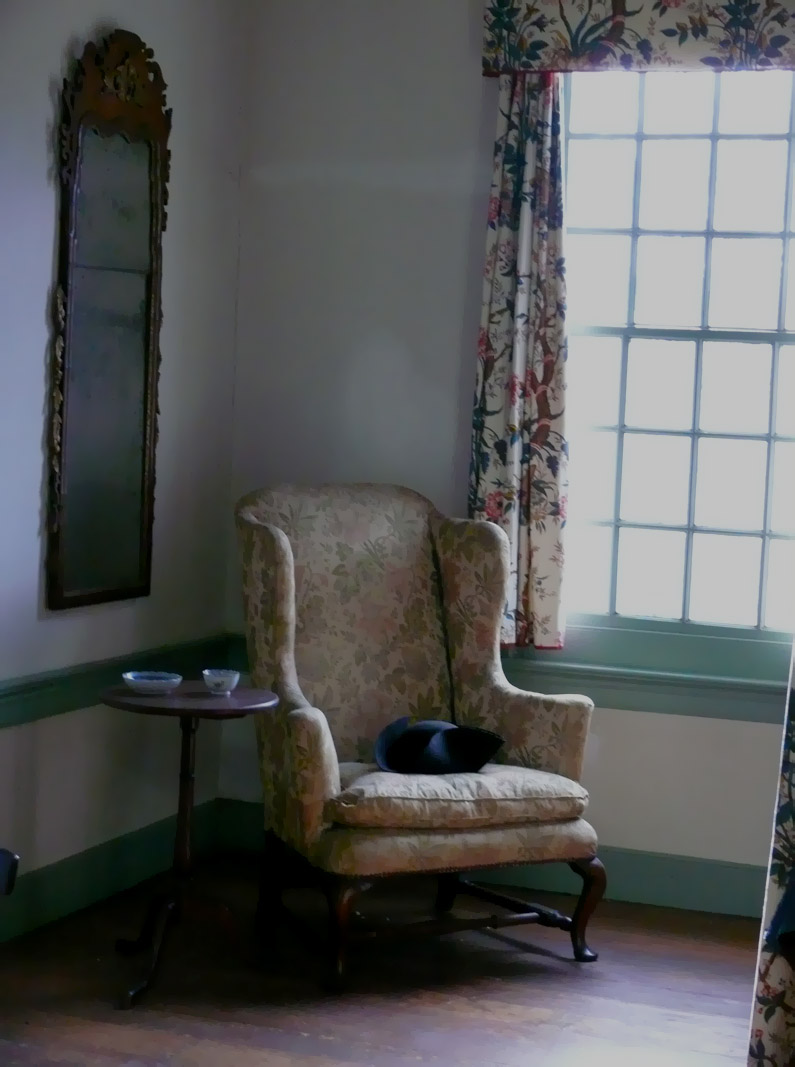
The mirror is an original and likely used by GW
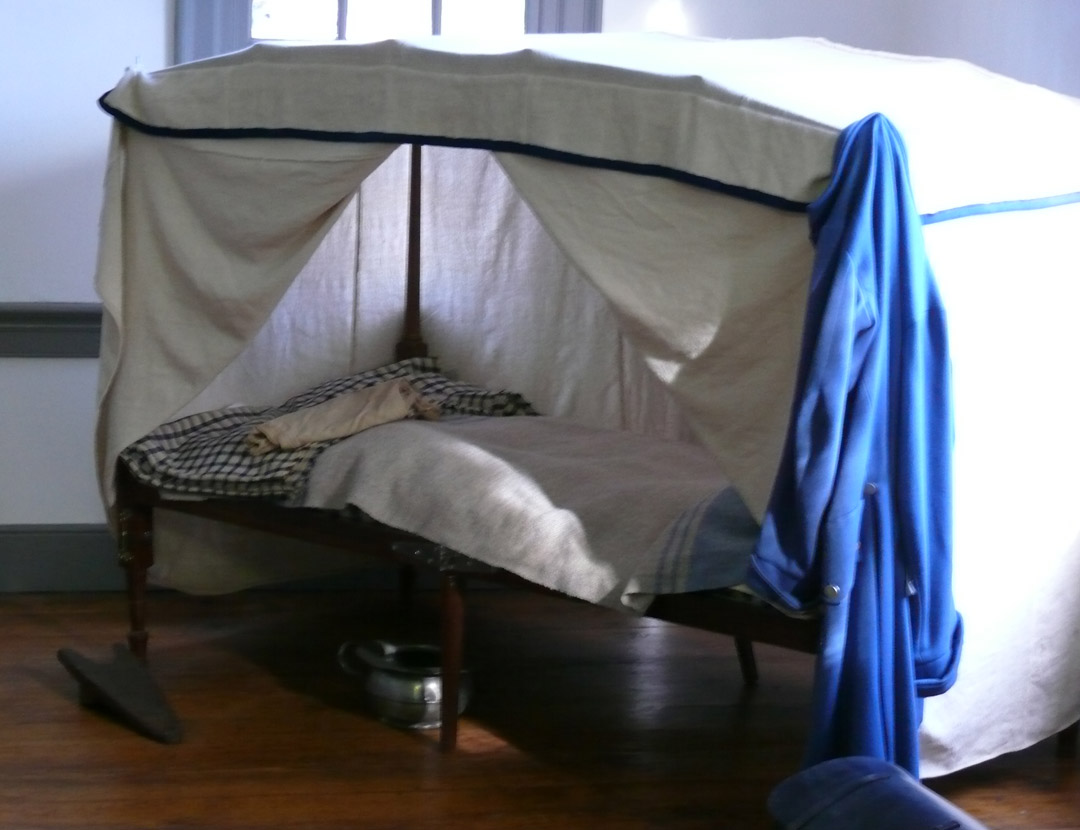
Tiny beds, not for dwarves, but for people who slept nearly upright due to fears they would stop breathing
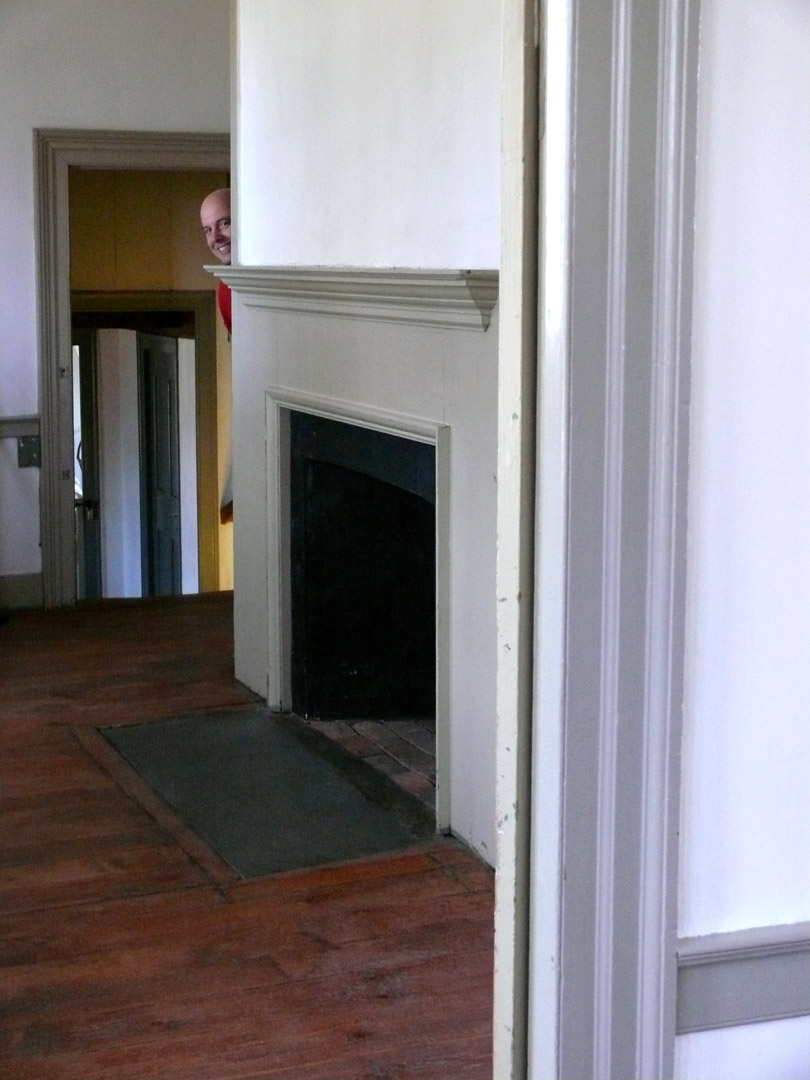
Doors everywhere
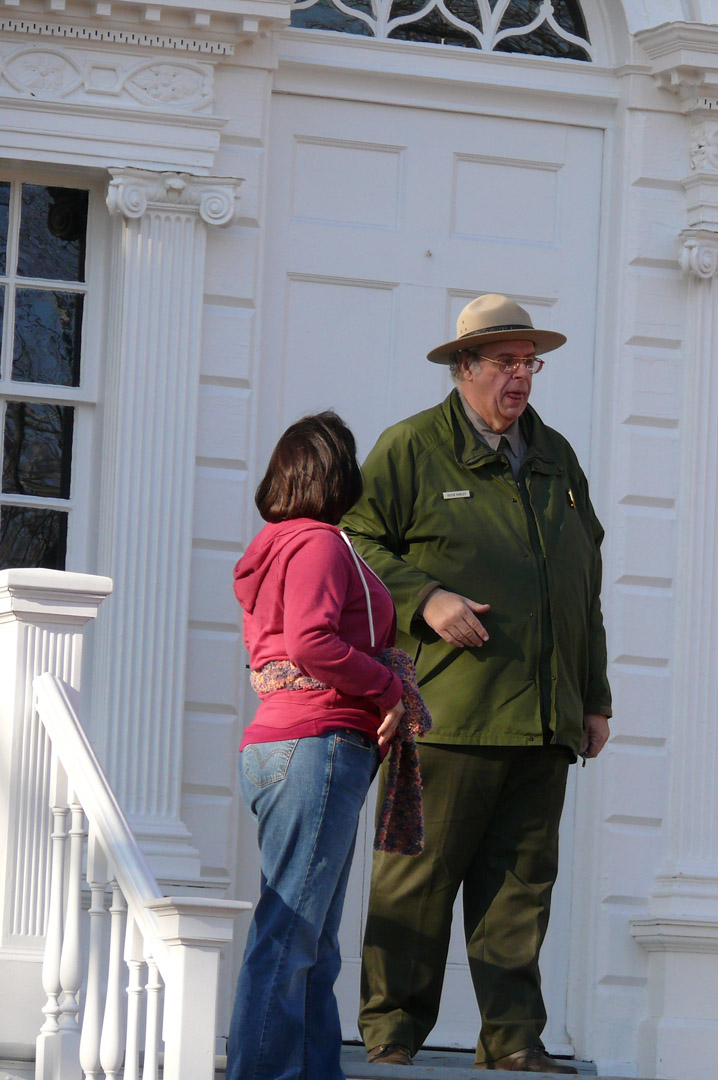
Kevin of Jellystone Park

Statue of GW and his horse, Blue
Final stop: Fort Nonsense. Great name, but less going on at the site. Apparently George W. ordered his troops to build an earthen fortification on an overlook above Morristown, so as to be able to keep watch for the British. It never really amounted to a hill of beans, seeing no action whatsoever. People speculated that perhaps the fort was busywork for the soldiers, hence the name, but historians say this was highly unlikely and rather GW placed great value in “holding higher ground” as a matter of principle.

Stone marker

What better for Fort Nonsense? Soldier Ben mans the cannon.
It was a fun and educational day for almost zero cost. Click here for more information about Washington’s Headquarters, Jockey Hollow and Fort Nonsense.
 NewJerseyology